Buy bathingwaters.eu ?
We are moving the project
bathingwaters.eu .
Are you interested in purchasing the domain
bathingwaters.eu ?
domain@kv-gmbh.de · 0541-91531010
Buy bathingwaters.eu ?
How can I fill decorative sand into a vase in a way that doesn't look too simple?
To fill a vase with decorative sand in a way that doesn't look too simple, you can create layers of different colored sand to add visual interest. Start by pouring a layer of one color of sand into the bottom of the vase, then add another layer of a different color on top of it. Continue layering different colors of sand until the vase is filled. You can also add decorative elements such as seashells, small rocks, or artificial flowers to enhance the overall look of the arrangement. This will create a more dynamic and visually appealing display of decorative sand in the vase. **
What is the difference between decorative sand and bird sand?
Decorative sand is typically used for decorative purposes such as filling vases, creating sand art, or adding texture to crafts. It is often colored and may be coated to give it a shiny or sparkly appearance. Bird sand, on the other hand, is specifically designed for use in bird cages and aviaries. It is natural, untreated sand that helps to aid digestion in birds by providing grit to help them break down food in their gizzards. Bird sand is not colored or coated and is intended for a functional purpose rather than decorative. **
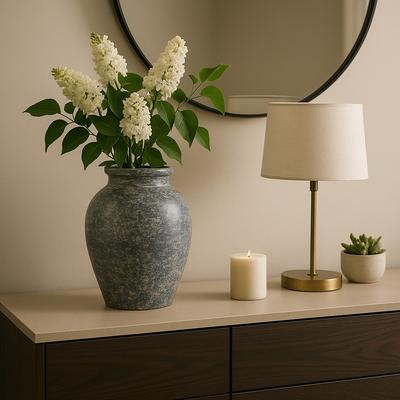
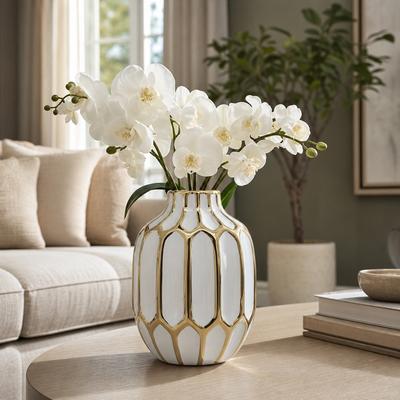
Similar search terms for Sagebrook-Home-Decorative-Vase
Top-Angebote
Products related to Sagebrook-Home-Decorative-Vase:


-
How can one remove decorative sand from dust?
To remove decorative sand from dust, you can use a vacuum cleaner with a brush attachment to gently suck up the dust and sand. Alternatively, you can use a soft-bristled brush to sweep the dust and sand into a dustpan and then dispose of it. Another option is to use a damp cloth to wipe the dust and sand away, being careful not to spread it around. It's important to handle the sand and dust carefully to avoid creating a bigger mess. **
-
Is slightly damp sand in a vase harmful?
Slightly damp sand in a vase is not necessarily harmful, but it can create an environment that is conducive to mold and bacteria growth if not properly maintained. If the sand remains damp for an extended period of time, it can lead to unpleasant odors and potential health hazards. It's important to regularly check and replace the sand if it becomes too damp to prevent any potential issues. **
-
'Vase or glass?'
It depends on the context and purpose. A vase is typically used for holding flowers or decorative branches, while a glass is used for drinking liquids. If the question is about which one to use for a specific purpose, then the answer would depend on whether the intention is to display flowers or to serve a beverage. Both have their own unique functions and can be chosen based on the specific need at hand. **
-
Who knows this vase?
The person who knows this vase is likely the owner or someone who has a personal connection to it. It could also be someone who has studied or researched the vase, such as an art historian or a museum curator. Additionally, the artist or creator of the vase would also have knowledge of it. **


Is the vase broken?
Yes, the vase is broken. It is in pieces and cannot be used in its original form. **
Who made this vase?
This vase was made by an ancient Greek potter and artist. It is an example of Greek pottery from the 5th century BC, known for its intricate designs and skilled craftsmanship. The artist's name is not known, as pottery from this time period was typically not signed or attributed to specific individuals. However, it is likely that the vase was made in a workshop where multiple artists and potters collaborated on creating such pieces. **
Top-Angebote
Products related to Sagebrook-Home-Decorative-Vase:
-
How can I fill decorative sand into a vase in a way that doesn't look too simple?
To fill a vase with decorative sand in a way that doesn't look too simple, you can create layers of different colored sand to add visual interest. Start by pouring a layer of one color of sand into the bottom of the vase, then add another layer of a different color on top of it. Continue layering different colors of sand until the vase is filled. You can also add decorative elements such as seashells, small rocks, or artificial flowers to enhance the overall look of the arrangement. This will create a more dynamic and visually appealing display of decorative sand in the vase. **
-
What is the difference between decorative sand and bird sand?
Decorative sand is typically used for decorative purposes such as filling vases, creating sand art, or adding texture to crafts. It is often colored and may be coated to give it a shiny or sparkly appearance. Bird sand, on the other hand, is specifically designed for use in bird cages and aviaries. It is natural, untreated sand that helps to aid digestion in birds by providing grit to help them break down food in their gizzards. Bird sand is not colored or coated and is intended for a functional purpose rather than decorative. **
-
How can one remove decorative sand from dust?
To remove decorative sand from dust, you can use a vacuum cleaner with a brush attachment to gently suck up the dust and sand. Alternatively, you can use a soft-bristled brush to sweep the dust and sand into a dustpan and then dispose of it. Another option is to use a damp cloth to wipe the dust and sand away, being careful not to spread it around. It's important to handle the sand and dust carefully to avoid creating a bigger mess. **
-
Is slightly damp sand in a vase harmful?
Slightly damp sand in a vase is not necessarily harmful, but it can create an environment that is conducive to mold and bacteria growth if not properly maintained. If the sand remains damp for an extended period of time, it can lead to unpleasant odors and potential health hazards. It's important to regularly check and replace the sand if it becomes too damp to prevent any potential issues. **
Similar search terms for Sagebrook-Home-Decorative-Vase
-
'Vase or glass?'
It depends on the context and purpose. A vase is typically used for holding flowers or decorative branches, while a glass is used for drinking liquids. If the question is about which one to use for a specific purpose, then the answer would depend on whether the intention is to display flowers or to serve a beverage. Both have their own unique functions and can be chosen based on the specific need at hand. **
-
Who knows this vase?
The person who knows this vase is likely the owner or someone who has a personal connection to it. It could also be someone who has studied or researched the vase, such as an art historian or a museum curator. Additionally, the artist or creator of the vase would also have knowledge of it. **
-
Is the vase broken?
Yes, the vase is broken. It is in pieces and cannot be used in its original form. **
-
Who made this vase?
This vase was made by an ancient Greek potter and artist. It is an example of Greek pottery from the 5th century BC, known for its intricate designs and skilled craftsmanship. The artist's name is not known, as pottery from this time period was typically not signed or attributed to specific individuals. However, it is likely that the vase was made in a workshop where multiple artists and potters collaborated on creating such pieces. **
* All prices are inclusive of VAT and, if applicable, plus shipping costs. The offer information is based on the details provided by the respective shop and is updated through automated processes. Real-time updates do not occur, so deviations can occur in individual cases. ** Note: Parts of this content were created by AI.