Buy bathingwaters.eu ?
We are moving the project
bathingwaters.eu .
Are you interested in purchasing the domain
bathingwaters.eu ?
domain@kv-gmbh.de · 0541-91531010
Buy bathingwaters.eu ?
Is my Phalaenopsis orchid still salvageable?
It is possible that your Phalaenopsis orchid is still salvageable, depending on the extent of the damage it has suffered. If the plant still has healthy roots and leaves, there is a good chance it can recover with proper care. Make sure to provide the orchid with the right amount of light, water, and humidity, and consider repotting it if necessary. Keep a close eye on the plant's progress and make adjustments as needed to give it the best chance of survival. **
Can you help me with the Phalaenopsis orchid?
Yes, I can help you with caring for your Phalaenopsis orchid. Phalaenopsis orchids require bright, indirect light and should be watered when the top inch of the potting mix feels dry. It's important to avoid overwatering as this can lead to root rot. Additionally, Phalaenopsis orchids prefer temperatures between 65-80°F and benefit from regular fertilization during the growing season. **


Similar search terms for Nearly-Natural-Phalaenopsis-Orchid
Top-Angebote
Products related to Nearly-Natural-Phalaenopsis-Orchid:
-
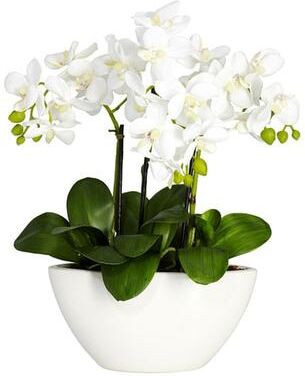
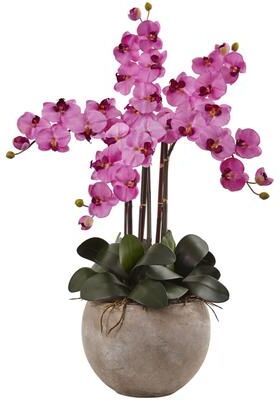
Nearly Natural Single-stem Phalaenopsis Silk Orchid PlantDecorate your home with nature without the hassle of watering and care with this silk orchid plant. The single-stem faux plant features six bright blooms for a colorful, realistic feel, and it is complemented with moss and leaves for a believable look.62,99 $*Shipping: 0,00 $Secure redirect to the provider


-
'How do I get my Phalaenopsis orchid to bloom again?'
To encourage your Phalaenopsis orchid to bloom again, you can try the following steps: 1. Provide the right amount of light: Phalaenopsis orchids prefer bright, indirect light. Place them near a window with a sheer curtain to filter the light. 2. Maintain proper watering: Water your orchid when the top inch of the potting mix feels dry. Avoid overwatering, as this can lead to root rot. 3. Use a balanced fertilizer: Feed your orchid with a balanced fertilizer specifically formulated for orchids, following the instructions on the label. 4. Provide a temperature drop: Phalaenopsis orchids may benefit from a slight drop in temperature at night to encourage blooming. Try to provide a 10-15 degree Fahrenheit difference between day and night temperatures. By following these steps, you can help your Phalaenopsis orchid to bloom again. **
-
Does a Phalaenopsis orchid thrive better in a mini greenhouse?
A Phalaenopsis orchid can thrive in a mini greenhouse as it provides a controlled environment with consistent temperature and humidity levels. The greenhouse can protect the orchid from extreme weather conditions and pests, creating an ideal growing environment. Additionally, the increased humidity within the greenhouse can mimic the orchid's natural tropical habitat, promoting healthy growth and blooming. However, it is important to monitor the temperature and humidity levels within the greenhouse to ensure they are suitable for the specific needs of the Phalaenopsis orchid. **
-
Why was the stem of the Phalaenopsis orchid bent and cut?
The stem of the Phalaenopsis orchid is bent and cut to encourage the plant to produce new flowers. By cutting the stem just above a node, the plant is stimulated to produce new growth and eventually new flower spikes. This process helps the orchid to continue blooming and maintain its overall health and appearance. **
-
Can I save a nearly dried out orchid?
Yes, it is possible to save a nearly dried out orchid. First, carefully remove the orchid from its pot and inspect the roots. Trim any dead or rotting roots and soak the remaining healthy roots in water for a few hours. Then repot the orchid in fresh, well-draining potting mix and place it in a location with indirect sunlight. Water the orchid sparingly, allowing the potting mix to dry out slightly between waterings. With proper care and attention, the orchid has a good chance of recovering and thriving. **
How do you water an orchid?
Watering an orchid requires a gentle touch. It's important to water the orchid thoroughly, but then allow the soil to dry out slightly before watering again. It's best to water the orchid in the morning, allowing any excess water to evaporate throughout the day. Additionally, it's important to avoid getting water on the leaves or crown of the orchid, as this can lead to rot. Finally, using room temperature water is best for orchids, as cold water can shock the roots. **
How often should one water an orchid?
Orchids should be watered once a week, or when the top inch of the potting mix feels dry to the touch. It is important not to overwater orchids, as they are susceptible to root rot. It is also recommended to use room temperature water and to allow excess water to drain out of the bottom of the pot to prevent waterlogging. **
Top-Angebote
Products related to Nearly-Natural-Phalaenopsis-Orchid:
-
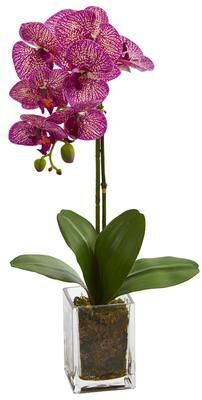
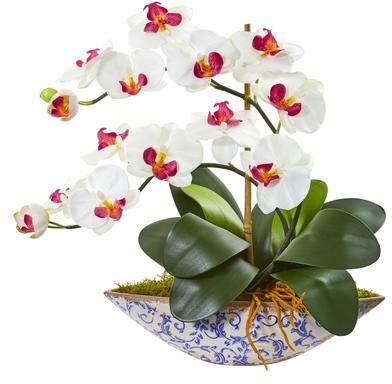
Nearly Natural Phalaenopsis Orchid Artificial Arrangement in VaseThe realistic brilliant blooms of this phalaenopsis orchid artificial arrangement arch gracefully up and over glossy leaves, all settled in a printed decorative vase that's filled with faux green moss.62,39 $*Shipping: 0,00 $Secure redirect to the provider
-
Is my Phalaenopsis orchid still salvageable?
It is possible that your Phalaenopsis orchid is still salvageable, depending on the extent of the damage it has suffered. If the plant still has healthy roots and leaves, there is a good chance it can recover with proper care. Make sure to provide the orchid with the right amount of light, water, and humidity, and consider repotting it if necessary. Keep a close eye on the plant's progress and make adjustments as needed to give it the best chance of survival. **
-
Can you help me with the Phalaenopsis orchid?
Yes, I can help you with caring for your Phalaenopsis orchid. Phalaenopsis orchids require bright, indirect light and should be watered when the top inch of the potting mix feels dry. It's important to avoid overwatering as this can lead to root rot. Additionally, Phalaenopsis orchids prefer temperatures between 65-80°F and benefit from regular fertilization during the growing season. **
-
'How do I get my Phalaenopsis orchid to bloom again?'
To encourage your Phalaenopsis orchid to bloom again, you can try the following steps: 1. Provide the right amount of light: Phalaenopsis orchids prefer bright, indirect light. Place them near a window with a sheer curtain to filter the light. 2. Maintain proper watering: Water your orchid when the top inch of the potting mix feels dry. Avoid overwatering, as this can lead to root rot. 3. Use a balanced fertilizer: Feed your orchid with a balanced fertilizer specifically formulated for orchids, following the instructions on the label. 4. Provide a temperature drop: Phalaenopsis orchids may benefit from a slight drop in temperature at night to encourage blooming. Try to provide a 10-15 degree Fahrenheit difference between day and night temperatures. By following these steps, you can help your Phalaenopsis orchid to bloom again. **
-
Does a Phalaenopsis orchid thrive better in a mini greenhouse?
A Phalaenopsis orchid can thrive in a mini greenhouse as it provides a controlled environment with consistent temperature and humidity levels. The greenhouse can protect the orchid from extreme weather conditions and pests, creating an ideal growing environment. Additionally, the increased humidity within the greenhouse can mimic the orchid's natural tropical habitat, promoting healthy growth and blooming. However, it is important to monitor the temperature and humidity levels within the greenhouse to ensure they are suitable for the specific needs of the Phalaenopsis orchid. **
Similar search terms for Nearly-Natural-Phalaenopsis-Orchid
-
Nearly Natural Single-stem Phalaenopsis Silk Orchid PlantDecorate your home with nature without the hassle of watering and care with this silk orchid plant. The single-stem faux plant features six bright blooms for a colorful, realistic feel, and it is complemented with moss and leaves for a believable look.62,99 $*Shipping: 0,00 $Secure redirect to the provider
-
Nearly Natural Phalaenopsis Orchid Artificial Arrangement in VaseThe realistic brilliant blooms of this phalaenopsis orchid artificial arrangement arch gracefully up and over glossy leaves, all settled in a printed decorative vase that's filled with faux green moss.87,99 $*Shipping: 0,00 $Secure redirect to the provider
-
Why was the stem of the Phalaenopsis orchid bent and cut?
The stem of the Phalaenopsis orchid is bent and cut to encourage the plant to produce new flowers. By cutting the stem just above a node, the plant is stimulated to produce new growth and eventually new flower spikes. This process helps the orchid to continue blooming and maintain its overall health and appearance. **
-
Can I save a nearly dried out orchid?
Yes, it is possible to save a nearly dried out orchid. First, carefully remove the orchid from its pot and inspect the roots. Trim any dead or rotting roots and soak the remaining healthy roots in water for a few hours. Then repot the orchid in fresh, well-draining potting mix and place it in a location with indirect sunlight. Water the orchid sparingly, allowing the potting mix to dry out slightly between waterings. With proper care and attention, the orchid has a good chance of recovering and thriving. **
-
How do you water an orchid?
Watering an orchid requires a gentle touch. It's important to water the orchid thoroughly, but then allow the soil to dry out slightly before watering again. It's best to water the orchid in the morning, allowing any excess water to evaporate throughout the day. Additionally, it's important to avoid getting water on the leaves or crown of the orchid, as this can lead to rot. Finally, using room temperature water is best for orchids, as cold water can shock the roots. **
-
How often should one water an orchid?
Orchids should be watered once a week, or when the top inch of the potting mix feels dry to the touch. It is important not to overwater orchids, as they are susceptible to root rot. It is also recommended to use room temperature water and to allow excess water to drain out of the bottom of the pot to prevent waterlogging. **
* All prices are inclusive of VAT and, if applicable, plus shipping costs. The offer information is based on the details provided by the respective shop and is updated through automated processes. Real-time updates do not occur, so deviations can occur in individual cases. ** Note: Parts of this content were created by AI.