Buy bathingwaters.eu ?
We are moving the project
bathingwaters.eu .
Are you interested in purchasing the domain
bathingwaters.eu ?
domain@kv-gmbh.de · 0541-91531010
Buy bathingwaters.eu ?
What is the difference between decorative sand and bird sand?
Decorative sand is typically used for decorative purposes such as filling vases, creating sand art, or adding texture to crafts. It is often colored and may be coated to give it a shiny or sparkly appearance. Bird sand, on the other hand, is specifically designed for use in bird cages and aviaries. It is natural, untreated sand that helps to aid digestion in birds by providing grit to help them break down food in their gizzards. Bird sand is not colored or coated and is intended for a functional purpose rather than decorative. **
How can one remove decorative sand from dust?
To remove decorative sand from dust, you can use a vacuum cleaner with a brush attachment to gently suck up the dust and sand. Alternatively, you can use a soft-bristled brush to sweep the dust and sand into a dustpan and then dispose of it. Another option is to use a damp cloth to wipe the dust and sand away, being careful not to spread it around. It's important to handle the sand and dust carefully to avoid creating a bigger mess. **
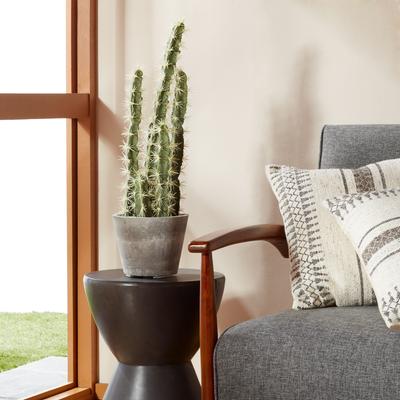
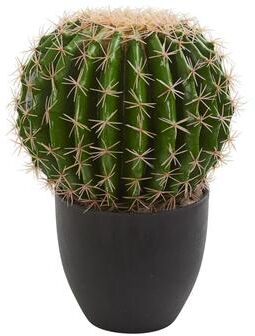
Similar search terms for Nearly-Natural-Decorative-Cactus
Top-Angebote
Products related to Nearly-Natural-Decorative-Cactus:
-
Nearly Natural 6.5' Cactus Artificial PlantLend Southwestern flair to your home with this cactus artificial plant. Featuring multiple stems with spines for a realistic look, this artificial plant brings natural beauty to your home without the upkeep.406,77 $*Shipping: 0,00 $Secure redirect to the provider
-
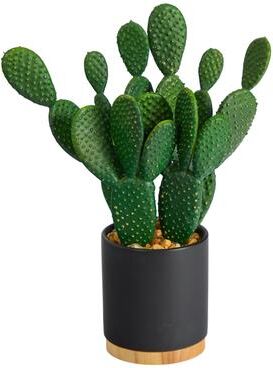
Nearly Natural "10"" Cactus Succulent Artificial Plant in Planter"Bring those desert vibes to any area with this maintenance-free artificial succulent plant. Inspired by the Arizonian desert and crafted by horticulturists, the spiky, dark-colored leaves add depth and texture to any space.32,36 $*Shipping: 0,00 $Secure redirect to the provider



-
Where can I buy cactus water?
Cactus water can be purchased at health food stores, specialty grocery stores, and online retailers. Many natural food stores and organic markets carry cactus water in their beverage section. Additionally, online retailers such as Amazon, Thrive Market, and specialty health food websites offer a variety of cactus water brands for purchase and delivery. **
-
Can every cactus have a cactus flower?
Not every cactus can produce a cactus flower. While many cacti do produce beautiful flowers, some species may not flower at all or may only produce flowers under specific conditions. Factors such as the age of the cactus, its health, and the environment it is grown in can all affect its ability to produce flowers. Additionally, some cacti may only flower under certain seasonal or climatic conditions. **
-
How are decorative items stored?
Decorative items are typically stored in various ways depending on their size, fragility, and material. Smaller decorative items such as figurines or vases are often stored in cabinets, shelves, or display cases to keep them safe and organized. Larger decorative items like sculptures or artwork may be stored in dedicated storage areas such as a closet or attic, or they may be displayed in a prominent location within a room. Fragile decorative items like glassware or ceramics are usually wrapped in protective materials such as bubble wrap or tissue paper before being stored to prevent damage. **
-
Which decorative plaster is this?
This is Venetian plaster, a type of decorative plaster that originated in Italy. It is known for its smooth, glossy finish that resembles polished marble. Venetian plaster is made from slaked lime and marble dust, giving it a luxurious and elegant appearance. It is often used to create a sophisticated and timeless look in interior design. **


Can decorative swords be sharpened?
Yes, decorative swords can be sharpened. However, it is important to consider the purpose of the sword and the materials it is made of before sharpening it. Some decorative swords are not designed for practical use and may not hold an edge well, while others are made of high-quality materials and can be sharpened for functional use. It is best to consult with a professional or someone experienced in sword maintenance before attempting to sharpen a decorative sword. **
How much water does a cactus need?
Cacti are adapted to survive in arid environments with minimal water. They have the ability to store water in their stems, allowing them to withstand long periods of drought. Generally, cacti only need to be watered sparingly, about once every 2-4 weeks depending on the species and environmental conditions. Overwatering can lead to root rot and other issues, so it's important to let the soil dry out between waterings. **
Top-Angebote
Products related to Nearly-Natural-Decorative-Cactus:
-
Nearly Natural Decorative Cactus Garden with Cement PlanterAdd elegant vibrancy to your work or living space with this beautiful cactus arrangement. Offering a unique succulent design, this lifelike assortment makes a wonderful addition to your home or office or a perfect all-occasion gift.106,21 $*Shipping: 0,00 $Secure redirect to the provider
-
Nearly Natural 6.5' Cactus Artificial PlantLend Southwestern flair to your home with this cactus artificial plant. Featuring multiple stems with spines for a realistic look, this artificial plant brings natural beauty to your home without the upkeep.406,77 $*Shipping: 0,00 $Secure redirect to the provider
-
What is the difference between decorative sand and bird sand?
Decorative sand is typically used for decorative purposes such as filling vases, creating sand art, or adding texture to crafts. It is often colored and may be coated to give it a shiny or sparkly appearance. Bird sand, on the other hand, is specifically designed for use in bird cages and aviaries. It is natural, untreated sand that helps to aid digestion in birds by providing grit to help them break down food in their gizzards. Bird sand is not colored or coated and is intended for a functional purpose rather than decorative. **
-
How can one remove decorative sand from dust?
To remove decorative sand from dust, you can use a vacuum cleaner with a brush attachment to gently suck up the dust and sand. Alternatively, you can use a soft-bristled brush to sweep the dust and sand into a dustpan and then dispose of it. Another option is to use a damp cloth to wipe the dust and sand away, being careful not to spread it around. It's important to handle the sand and dust carefully to avoid creating a bigger mess. **
-
Where can I buy cactus water?
Cactus water can be purchased at health food stores, specialty grocery stores, and online retailers. Many natural food stores and organic markets carry cactus water in their beverage section. Additionally, online retailers such as Amazon, Thrive Market, and specialty health food websites offer a variety of cactus water brands for purchase and delivery. **
-
Can every cactus have a cactus flower?
Not every cactus can produce a cactus flower. While many cacti do produce beautiful flowers, some species may not flower at all or may only produce flowers under specific conditions. Factors such as the age of the cactus, its health, and the environment it is grown in can all affect its ability to produce flowers. Additionally, some cacti may only flower under certain seasonal or climatic conditions. **
Similar search terms for Nearly-Natural-Decorative-Cactus
-
Nearly Natural "10"" Cactus Succulent Artificial Plant in Planter"Bring those desert vibes to any area with this maintenance-free artificial succulent plant. Inspired by the Arizonian desert and crafted by horticulturists, the spiky, dark-colored leaves add depth and texture to any space.32,36 $*Shipping: 0,00 $Secure redirect to the provider
-
Nearly Natural Poinsettia with Decorative VaseMaterials: Polyester material, plastic, iron wire, wood, PVC leather Plant type: Poinsettia Plant holder dimensions: 10 inches high x 9 inches wide x 5 inches deep Overall dimensions: 18 inches high x 18 inches wide x 13 inches deep A little holiday…75,02 $*Shipping: 0,00 $Secure redirect to the provider
-
Nearly Natural Cymbidium w/Decorative VaseAdd gorgeous flowers to your decor year-round with this beautiful cymbidium with decorative vase set. The realistic-looking faux flowers will give your guests something to talk about. They come in white or burgundy to best match your room.124,49 $*Shipping: 0,00 $Secure redirect to the provider
-
How are decorative items stored?
Decorative items are typically stored in various ways depending on their size, fragility, and material. Smaller decorative items such as figurines or vases are often stored in cabinets, shelves, or display cases to keep them safe and organized. Larger decorative items like sculptures or artwork may be stored in dedicated storage areas such as a closet or attic, or they may be displayed in a prominent location within a room. Fragile decorative items like glassware or ceramics are usually wrapped in protective materials such as bubble wrap or tissue paper before being stored to prevent damage. **
-
Which decorative plaster is this?
This is Venetian plaster, a type of decorative plaster that originated in Italy. It is known for its smooth, glossy finish that resembles polished marble. Venetian plaster is made from slaked lime and marble dust, giving it a luxurious and elegant appearance. It is often used to create a sophisticated and timeless look in interior design. **
-
Can decorative swords be sharpened?
Yes, decorative swords can be sharpened. However, it is important to consider the purpose of the sword and the materials it is made of before sharpening it. Some decorative swords are not designed for practical use and may not hold an edge well, while others are made of high-quality materials and can be sharpened for functional use. It is best to consult with a professional or someone experienced in sword maintenance before attempting to sharpen a decorative sword. **
-
How much water does a cactus need?
Cacti are adapted to survive in arid environments with minimal water. They have the ability to store water in their stems, allowing them to withstand long periods of drought. Generally, cacti only need to be watered sparingly, about once every 2-4 weeks depending on the species and environmental conditions. Overwatering can lead to root rot and other issues, so it's important to let the soil dry out between waterings. **
* All prices are inclusive of VAT and, if applicable, plus shipping costs. The offer information is based on the details provided by the respective shop and is updated through automated processes. Real-time updates do not occur, so deviations can occur in individual cases. ** Note: Parts of this content were created by AI.