Buy bathingwaters.eu ?
We are moving the project
bathingwaters.eu .
Are you interested in purchasing the domain
bathingwaters.eu ?
domain@kv-gmbh.de · 0541-91531010
Buy bathingwaters.eu ?
What is the exact difference between natural oak, wild oak, knotty oak, and rustic oak?
Natural oak typically refers to oak wood that has not been stained or treated, showcasing its natural color and grain. Wild oak, on the other hand, may refer to oak wood with a more irregular or varied grain pattern, giving it a more untamed or wild appearance. Knotty oak specifically refers to oak wood with visible knots or burls, adding a rustic and textured look to the wood. Rustic oak generally refers to oak wood with a more weathered or distressed appearance, often achieved through techniques like hand-scraping or wire-brushing to create a more aged and rugged look. **
What is Sanremo Oak Terra crosswise natural beech wood decor?
Sanremo Oak Terra crosswise natural beech wood decor is a type of wood decor finish that mimics the look of natural beech wood. It features a crosswise pattern that adds a unique and stylish touch to any surface it is applied to. This decor is often used in furniture, flooring, and interior design to create a warm and natural aesthetic. **
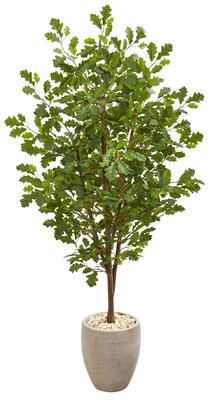

Similar search terms for Nearly-Natural-69-Oak
Top-Angebote
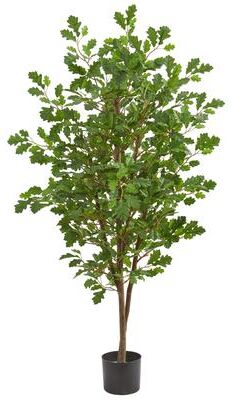
Products related to Nearly-Natural-69-Oak:
-
Nearly Natural "69"" Ruscus Artificial Tree UV Resistant (Indoor/Outdoor)"Many small vivid green leaves form stunning canopies that hang over the slim branches of this 69 inch ruscus artificial tree. Exhibiting a calm, serene look, this artificial tree will be an excellent addition to an enclosed sun room.216,49 $*Shipping: 0,00 $Secure redirect to the provider
-
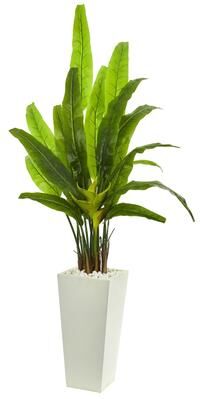
Nearly Natural "69"" Travelers Palm Artificial Tree in White Tower Planter"Decorate your home with this artificial travelers palm tree. This tall tree features stalks of rich, green leaves for a natural look, while the white tower planter provides an elegant touch to your room.152,75 $*Shipping: 0,00 $Secure redirect to the provider


-
Which tree species is meant: Sonoma or sand oak?
The tree species meant is likely the Sonoma oak. The Sonoma oak, also known as the coast live oak, is native to California and is a prominent species in the Sonoma County region. It is a long-lived, evergreen tree that is well-adapted to the Mediterranean climate of the area. On the other hand, the sand oak is not a commonly recognized tree species, so it is more likely that the reference is to the Sonoma oak. **
-
How should I paint my wall: White, Sand, or Oak?
The color you choose to paint your wall depends on the overall aesthetic you want to achieve in the room. White is a classic and versatile choice that can make a space feel bright and airy. Sand is a warm and neutral option that can add a cozy and inviting feel to the room. Oak is a rich and earthy color that can bring warmth and depth to the space. Consider the existing decor, lighting, and furniture in the room to help you decide which color would best complement the space. **
-
What is the difference between oak and wild oak?
Oak and wild oak are both types of trees belonging to the same genus, Quercus. The main difference between the two lies in their growth habits and natural habitats. Oak trees are typically cultivated and grown in managed forests or landscapes, while wild oak trees grow naturally in the wild, without human intervention. Wild oak trees tend to have a more rugged appearance and may exhibit variations in size and shape compared to cultivated oak trees. **
-
Is oak sawn the same color as oak Sanremo?
No, oak sawn and oak Sanremo are not the same color. Oak sawn typically refers to the natural color of oak wood, which is a light to medium brown with a prominent grain pattern. On the other hand, oak Sanremo is a specific finish or stain applied to oak wood to achieve a different color, often a lighter, more golden tone. Therefore, the two are not the same color. **

'Oak or beech?'
It depends on the specific use and desired characteristics. Oak is known for its strength, durability, and attractive grain patterns, making it a popular choice for furniture and flooring. Beech, on the other hand, is a lighter wood with a fine, even texture, often used for making tools, toys, and kitchen utensils. Both woods have their own unique qualities, so the choice between oak and beech ultimately depends on the specific requirements of the project. **
'Oak lower classifications'
The lower classifications of oak trees include the red oak, white oak, black oak, and many other species. These classifications are based on the specific characteristics of the trees, such as leaf shape, acorn size, and bark texture. Each classification has its own unique features and habitat preferences, making them important to the diversity of oak trees in different ecosystems. Understanding these lower classifications helps in identifying and conserving the different species of oak trees. **
Top-Angebote
Products related to Nearly-Natural-69-Oak:
-
Nearly Natural "69"" Traveler's Palm Artificial tree"Incorporate year-round freshness throughout everyday interiors without the need for maintenance with the help of this artificial tree boasting a stunning array of realistic looking travelers palm foliage in bright vivid hues.182,15 $*Shipping: 0,00 $Secure redirect to the provider
-
Nearly Natural "69"" Ruscus Artificial Tree UV Resistant (Indoor/Outdoor)"Many small vivid green leaves form stunning canopies that hang over the slim branches of this 69 inch ruscus artificial tree. Exhibiting a calm, serene look, this artificial tree will be an excellent addition to an enclosed sun room.216,49 $*Shipping: 0,00 $Secure redirect to the provider
-
Nearly Natural "69"" Travelers Palm Artificial Tree in White Tower Planter"Decorate your home with this artificial travelers palm tree. This tall tree features stalks of rich, green leaves for a natural look, while the white tower planter provides an elegant touch to your room.152,75 $*Shipping: 0,00 $Secure redirect to the provider
-
What is the exact difference between natural oak, wild oak, knotty oak, and rustic oak?
Natural oak typically refers to oak wood that has not been stained or treated, showcasing its natural color and grain. Wild oak, on the other hand, may refer to oak wood with a more irregular or varied grain pattern, giving it a more untamed or wild appearance. Knotty oak specifically refers to oak wood with visible knots or burls, adding a rustic and textured look to the wood. Rustic oak generally refers to oak wood with a more weathered or distressed appearance, often achieved through techniques like hand-scraping or wire-brushing to create a more aged and rugged look. **
-
What is Sanremo Oak Terra crosswise natural beech wood decor?
Sanremo Oak Terra crosswise natural beech wood decor is a type of wood decor finish that mimics the look of natural beech wood. It features a crosswise pattern that adds a unique and stylish touch to any surface it is applied to. This decor is often used in furniture, flooring, and interior design to create a warm and natural aesthetic. **
-
Which tree species is meant: Sonoma or sand oak?
The tree species meant is likely the Sonoma oak. The Sonoma oak, also known as the coast live oak, is native to California and is a prominent species in the Sonoma County region. It is a long-lived, evergreen tree that is well-adapted to the Mediterranean climate of the area. On the other hand, the sand oak is not a commonly recognized tree species, so it is more likely that the reference is to the Sonoma oak. **
-
How should I paint my wall: White, Sand, or Oak?
The color you choose to paint your wall depends on the overall aesthetic you want to achieve in the room. White is a classic and versatile choice that can make a space feel bright and airy. Sand is a warm and neutral option that can add a cozy and inviting feel to the room. Oak is a rich and earthy color that can bring warmth and depth to the space. Consider the existing decor, lighting, and furniture in the room to help you decide which color would best complement the space. **
Similar search terms for Nearly-Natural-69-Oak
-
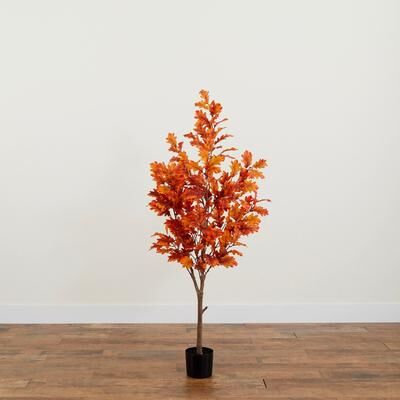
Nearly Natural 5' Autumn Oak Artificial Fall TreeFeel like you're walking through a forest during fall with our autumn-inspired faux oak tree. Featuring lifelike leaves draped in hues of orange, yellow, and brown, it is inspired by the emblematic colors of the Northeastern U.S.146,99 $*Shipping: 0,00 $Secure redirect to the provider
-
What is the difference between oak and wild oak?
Oak and wild oak are both types of trees belonging to the same genus, Quercus. The main difference between the two lies in their growth habits and natural habitats. Oak trees are typically cultivated and grown in managed forests or landscapes, while wild oak trees grow naturally in the wild, without human intervention. Wild oak trees tend to have a more rugged appearance and may exhibit variations in size and shape compared to cultivated oak trees. **
-
Is oak sawn the same color as oak Sanremo?
No, oak sawn and oak Sanremo are not the same color. Oak sawn typically refers to the natural color of oak wood, which is a light to medium brown with a prominent grain pattern. On the other hand, oak Sanremo is a specific finish or stain applied to oak wood to achieve a different color, often a lighter, more golden tone. Therefore, the two are not the same color. **
-
'Oak or beech?'
It depends on the specific use and desired characteristics. Oak is known for its strength, durability, and attractive grain patterns, making it a popular choice for furniture and flooring. Beech, on the other hand, is a lighter wood with a fine, even texture, often used for making tools, toys, and kitchen utensils. Both woods have their own unique qualities, so the choice between oak and beech ultimately depends on the specific requirements of the project. **
-
'Oak lower classifications'
The lower classifications of oak trees include the red oak, white oak, black oak, and many other species. These classifications are based on the specific characteristics of the trees, such as leaf shape, acorn size, and bark texture. Each classification has its own unique features and habitat preferences, making them important to the diversity of oak trees in different ecosystems. Understanding these lower classifications helps in identifying and conserving the different species of oak trees. **
* All prices are inclusive of VAT and, if applicable, plus shipping costs. The offer information is based on the details provided by the respective shop and is updated through automated processes. Real-time updates do not occur, so deviations can occur in individual cases. ** Note: Parts of this content were created by AI.