Buy bathingwaters.eu ?
We are moving the project
bathingwaters.eu .
Are you interested in purchasing the domain
bathingwaters.eu ?
domain@kv-gmbh.de · 0541-91531010
Buy bathingwaters.eu ?
Why does the bird stand on one foot?
Birds often stand on one foot as a way to conserve body heat. By tucking one leg up into their feathers, they reduce the amount of exposed skin and minimize heat loss. This behavior is especially common in colder temperatures or when the bird is resting. Additionally, standing on one foot may also allow the bird to rest and relax its muscles, similar to how humans might shift their weight from one leg to the other when standing for long periods of time. **
Do rats like bird sand?
Rats do not typically like bird sand as it is not a suitable substrate for them. Bird sand is primarily used for birds to aid in digestion by providing grit for their gizzards. Rats have different dietary and environmental needs, so it is important to provide them with appropriate bedding materials such as paper-based bedding or aspen shavings. It is best to avoid using bird sand for rats to ensure their health and well-being. **
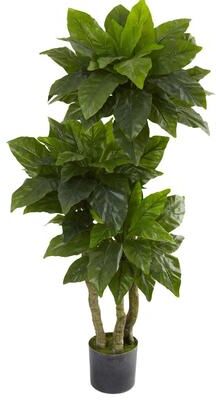
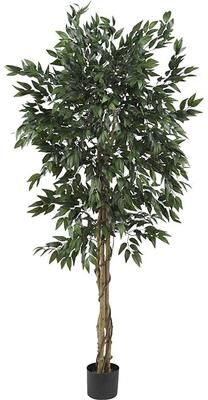
Similar search terms for Nearly-Natural-5-foot-Bird
Top-Angebote
Products related to Nearly-Natural-5-foot-Bird:
-
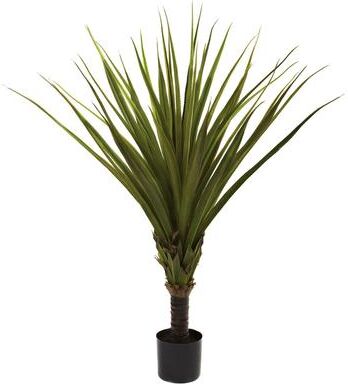
Nearly Natural 5-Foot Spiked Agave TreeLooking almost like a leafy, green fountain, this spiked Agave tree is sure to catch they eye and spur a comment. With a stout, thick trunk rising from the included pot, the long, spiny leaves burst forth, giving a burst of fresh greenery.179,79 $*Shipping: 0,00 $Secure redirect to the provider
-
Nearly Natural 5-foot Fiddle Leaf Fig Artificial TreeWitness nature's beauty up close and without the hassle of endless watering. This five-foot fiddle leaf fig artificial tree flaunts large green leaves that sit closely together on a stem, for charming greenery galore.147,99 $*Shipping: 0,00 $Secure redirect to the provider


-
Can bird sand be used as aquarium sand?
No, bird sand should not be used as aquarium sand. Bird sand is typically made from crushed shells and can contain additives such as calcium and other minerals that are not suitable for aquarium use. Additionally, bird sand may not be the right size or texture for aquarium substrate, and it could potentially harm the aquatic life in the tank. It's best to use sand specifically designed for aquarium use to ensure the health and safety of your aquatic environment. **
-
What is special about bird sand?
Bird sand is special because it is specifically designed to meet the needs of pet birds. It is made from finely ground calcium carbonate, which helps to maintain the health of a bird's beak and claws. Additionally, bird sand contains added minerals and grit to aid in digestion and support overall bird health. It also helps to keep the bird's environment clean by absorbing moisture and controlling odors. Overall, bird sand plays a crucial role in maintaining the well-being of pet birds. **
-
Why are shoes not adapted to the natural shape of the foot?
Shoes are typically not adapted to the natural shape of the foot because they are designed to cater to a wide range of foot shapes and sizes. Mass-produced shoes need to be standardized to fit as many people as possible, which means they may not perfectly conform to the unique contours of an individual's foot. Additionally, fashion trends and style considerations often influence shoe design, leading to shapes that may not align with the natural shape of the foot. Finally, the materials used in shoe construction, such as rigid soles or narrow toe boxes, may also contribute to shoes not being perfectly adapted to the natural shape of the foot. **
-
Can rats use bird sand for bathing?
Rats should not use bird sand for bathing as it may contain chemicals or additives that could be harmful to them. It is important to provide rats with a dust-free bathing material specifically designed for small animals, such as chinchilla sand or dust. These products are safe for rats to use and help maintain their hygiene and grooming habits. **


How can one root with bird sand?
Bird sand can be used as a rooting medium for propagating plants. It provides good aeration and drainage for the roots, which is essential for healthy root development. To use bird sand for rooting, simply fill a container with the sand, moisten it, and then insert the cuttings of the plant into the sand. Keep the sand consistently moist and provide the appropriate light and temperature conditions for the specific plant species. With proper care, the plant cuttings should develop healthy roots in the bird sand. **
Is bird sand harmful to my budgies?
Bird sand can be harmful to budgies if ingested in large quantities. The sand itself is not toxic, but if the budgies consume too much of it, it can cause impaction in their digestive system. It's important to provide a balanced diet for your budgies and monitor their access to bird sand to prevent any potential health issues. Additionally, providing other forms of enrichment and grit, such as cuttlebone or mineral blocks, can help support your budgies' health without the risk of overconsumption. **
Top-Angebote
Products related to Nearly-Natural-5-foot-Bird:
-
Nearly Natural 5-Foot Spiked Agave TreeLooking almost like a leafy, green fountain, this spiked Agave tree is sure to catch they eye and spur a comment. With a stout, thick trunk rising from the included pot, the long, spiny leaves burst forth, giving a burst of fresh greenery.179,79 $*Shipping: 0,00 $Secure redirect to the provider
-
Why does the bird stand on one foot?
Birds often stand on one foot as a way to conserve body heat. By tucking one leg up into their feathers, they reduce the amount of exposed skin and minimize heat loss. This behavior is especially common in colder temperatures or when the bird is resting. Additionally, standing on one foot may also allow the bird to rest and relax its muscles, similar to how humans might shift their weight from one leg to the other when standing for long periods of time. **
-
Do rats like bird sand?
Rats do not typically like bird sand as it is not a suitable substrate for them. Bird sand is primarily used for birds to aid in digestion by providing grit for their gizzards. Rats have different dietary and environmental needs, so it is important to provide them with appropriate bedding materials such as paper-based bedding or aspen shavings. It is best to avoid using bird sand for rats to ensure their health and well-being. **
-
Can bird sand be used as aquarium sand?
No, bird sand should not be used as aquarium sand. Bird sand is typically made from crushed shells and can contain additives such as calcium and other minerals that are not suitable for aquarium use. Additionally, bird sand may not be the right size or texture for aquarium substrate, and it could potentially harm the aquatic life in the tank. It's best to use sand specifically designed for aquarium use to ensure the health and safety of your aquatic environment. **
-
What is special about bird sand?
Bird sand is special because it is specifically designed to meet the needs of pet birds. It is made from finely ground calcium carbonate, which helps to maintain the health of a bird's beak and claws. Additionally, bird sand contains added minerals and grit to aid in digestion and support overall bird health. It also helps to keep the bird's environment clean by absorbing moisture and controlling odors. Overall, bird sand plays a crucial role in maintaining the well-being of pet birds. **
Similar search terms for Nearly-Natural-5-foot-Bird
-
Nearly Natural 5-foot Fiddle Leaf Fig Artificial TreeWitness nature's beauty up close and without the hassle of endless watering. This five-foot fiddle leaf fig artificial tree flaunts large green leaves that sit closely together on a stem, for charming greenery galore.147,99 $*Shipping: 0,00 $Secure redirect to the provider
-
Nearly Natural 5-foot Areca Palm Tree Decorative PlantTall, wide and fluffy, this beautiful Areca palm tree is ready to turn any area of your home or office into a tropical paradise. With a thick, natural-looking trunk and hundreds of soft palm leaves, this tree will grace your decor for years to come.116,54 $*Shipping: 0,00 $Secure redirect to the provider
-
Why are shoes not adapted to the natural shape of the foot?
Shoes are typically not adapted to the natural shape of the foot because they are designed to cater to a wide range of foot shapes and sizes. Mass-produced shoes need to be standardized to fit as many people as possible, which means they may not perfectly conform to the unique contours of an individual's foot. Additionally, fashion trends and style considerations often influence shoe design, leading to shapes that may not align with the natural shape of the foot. Finally, the materials used in shoe construction, such as rigid soles or narrow toe boxes, may also contribute to shoes not being perfectly adapted to the natural shape of the foot. **
-
Can rats use bird sand for bathing?
Rats should not use bird sand for bathing as it may contain chemicals or additives that could be harmful to them. It is important to provide rats with a dust-free bathing material specifically designed for small animals, such as chinchilla sand or dust. These products are safe for rats to use and help maintain their hygiene and grooming habits. **
-
How can one root with bird sand?
Bird sand can be used as a rooting medium for propagating plants. It provides good aeration and drainage for the roots, which is essential for healthy root development. To use bird sand for rooting, simply fill a container with the sand, moisten it, and then insert the cuttings of the plant into the sand. Keep the sand consistently moist and provide the appropriate light and temperature conditions for the specific plant species. With proper care, the plant cuttings should develop healthy roots in the bird sand. **
-
Is bird sand harmful to my budgies?
Bird sand can be harmful to budgies if ingested in large quantities. The sand itself is not toxic, but if the budgies consume too much of it, it can cause impaction in their digestive system. It's important to provide a balanced diet for your budgies and monitor their access to bird sand to prevent any potential health issues. Additionally, providing other forms of enrichment and grit, such as cuttlebone or mineral blocks, can help support your budgies' health without the risk of overconsumption. **
* All prices are inclusive of VAT and, if applicable, plus shipping costs. The offer information is based on the details provided by the respective shop and is updated through automated processes. Real-time updates do not occur, so deviations can occur in individual cases. ** Note: Parts of this content were created by AI.