Buy bathingwaters.eu ?
We are moving the project
bathingwaters.eu .
Are you interested in purchasing the domain
bathingwaters.eu ?
domain@kv-gmbh.de · 0541-91531010
Buy bathingwaters.eu ?
What to do if sand blocks the camera lens?
If sand blocks the camera lens, it is important not to try to clean it with your fingers or any cloth as this can scratch the lens. Instead, gently blow on the lens to remove the sand particles. If blowing doesn't work, you can try using a can of compressed air to dislodge the sand. If the sand is still stuck, it is best to take the camera to a professional for cleaning to avoid causing any damage to the lens. **
How do contact lens wearers spend their beach vacation?
Contact lens wearers spend their beach vacation by taking extra precautions to protect their eyes and lenses from sand, saltwater, and UV rays. They may choose to wear daily disposable lenses to avoid the hassle of cleaning and storing their lenses in a beach environment. Additionally, they may bring along a spare pair of glasses in case they need to remove their lenses due to irritation or discomfort. It's also important for contact lens wearers to stay hydrated and take breaks from wearing their lenses to prevent dryness and discomfort. **

Similar search terms for CARPOINT-0413904-Lens
Top-Angebote
Products related to CARPOINT-0413904-Lens:
-
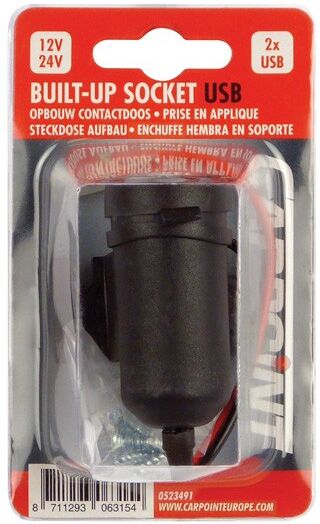
CARPOINT 0523407 SocketColour: black; Material: Plastic; Supplementary Article / Supplementary Info: with stopper lid; Voltage [V]: 12; Current Strength to [A]: 10; Number of mounting bores: 2; Plug Type: Male, Blade Terminal; Housing Type: Housing with Plastic Lid; Mounting Type: Bolted11,49 £*Shipping: 8,45 £Secure redirect to the provider
-
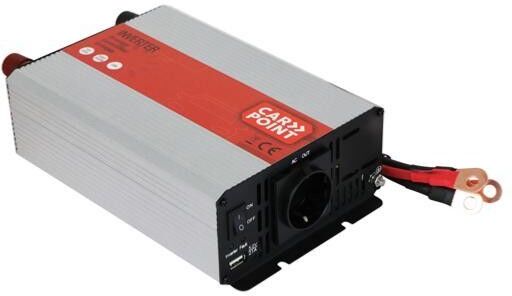
CARPOINT 0510353 InverterInput Voltage [V]: 12; Output Voltage [V]: 230; Rated Power [W]: 1000; Switching Capacity [W]: max 2000; Supplementary Article / Supplementary Info Info 2: with fuse; Connectors/Plugs: USB; Number of sockets (230V/AC): 1; Connection type outlet: Shockproof socket; Output current USB [mA]: 2.1; Output voltage USB [V]: 5; Surge protection: Yes; Gauge: with LED display; Length [mm]: 210; Width [mm]: 150; Height: 70; Cooling Type: air-cooled; Colour: grey, black; Cable Colour: red/black; Output waveform: DC; conversion: 12V to 230V170,99 £*Shipping: 1,99 £Secure redirect to the provider


-
Which lens mount does this lens have?
This lens has a Canon EF lens mount. This means it is compatible with Canon DSLR cameras that use the EF mount, as well as some mirrorless cameras with an EF to RF mount adapter. The EF mount is a widely used and versatile mount, allowing for compatibility with a wide range of Canon cameras. **
-
Does photographing or filming the sun damage the camera lens?
Photographing or filming the sun can potentially damage the camera lens if done improperly. Directly pointing the camera at the sun for an extended period can cause the intense light to damage the sensor or lens coatings. To prevent damage, it is recommended to use a solar filter or lens hood to reduce the intensity of the light reaching the lens. Additionally, avoiding shooting the sun during peak brightness hours can also help protect the camera lens. **
-
Is there a lens hood for the lens?
Yes, there is a lens hood available for the lens. A lens hood is a useful accessory that helps to reduce lens flare and glare by blocking unwanted light from entering the lens. It can also provide some protection for the front element of the lens. It is recommended to use a lens hood whenever possible to improve the overall image quality. **
-
How does water get into the camera lens?
Water can get into a camera lens through various means, such as rain, splashing water, or submersion. If the camera is not properly sealed or protected, water can seep into the lens through any openings or gaps in the camera body. Additionally, condensation can form inside the lens if the camera is exposed to rapid temperature changes, causing water droplets to accumulate inside the lens. It is important to use protective measures, such as waterproof housing or lens filters, to prevent water from entering the camera lens. **

What does the lens do during autofocus 2 lens?
During autofocus, the lens in a camera with autofocus 2 technology adjusts its position to bring the subject into sharp focus. This is achieved through the movement of internal lens elements controlled by the camera's autofocus system. The lens continuously makes small adjustments to its focus position until the subject is in focus, allowing for quick and accurate focusing. This technology is particularly useful for capturing fast-moving subjects or for ensuring sharp focus in challenging lighting conditions. **
Is the converging lens the same as the diverging lens?
No, a converging lens and a diverging lens are not the same. A converging lens is thicker in the middle and causes parallel rays of light to converge at a focal point, while a diverging lens is thinner in the middle and causes parallel rays of light to diverge. Converging lenses are used to create real images, while diverging lenses are used to create virtual images. Therefore, the two types of lenses have different optical properties and applications. **
Top-Angebote
Products related to CARPOINT-0413904-Lens:
-
What to do if sand blocks the camera lens?
If sand blocks the camera lens, it is important not to try to clean it with your fingers or any cloth as this can scratch the lens. Instead, gently blow on the lens to remove the sand particles. If blowing doesn't work, you can try using a can of compressed air to dislodge the sand. If the sand is still stuck, it is best to take the camera to a professional for cleaning to avoid causing any damage to the lens. **
-
How do contact lens wearers spend their beach vacation?
Contact lens wearers spend their beach vacation by taking extra precautions to protect their eyes and lenses from sand, saltwater, and UV rays. They may choose to wear daily disposable lenses to avoid the hassle of cleaning and storing their lenses in a beach environment. Additionally, they may bring along a spare pair of glasses in case they need to remove their lenses due to irritation or discomfort. It's also important for contact lens wearers to stay hydrated and take breaks from wearing their lenses to prevent dryness and discomfort. **
-
Which lens mount does this lens have?
This lens has a Canon EF lens mount. This means it is compatible with Canon DSLR cameras that use the EF mount, as well as some mirrorless cameras with an EF to RF mount adapter. The EF mount is a widely used and versatile mount, allowing for compatibility with a wide range of Canon cameras. **
-
Does photographing or filming the sun damage the camera lens?
Photographing or filming the sun can potentially damage the camera lens if done improperly. Directly pointing the camera at the sun for an extended period can cause the intense light to damage the sensor or lens coatings. To prevent damage, it is recommended to use a solar filter or lens hood to reduce the intensity of the light reaching the lens. Additionally, avoiding shooting the sun during peak brightness hours can also help protect the camera lens. **
Similar search terms for CARPOINT-0413904-Lens
-
CARPOINT 0523407 SocketColour: black; Material: Plastic; Supplementary Article / Supplementary Info: with stopper lid; Voltage [V]: 12; Current Strength to [A]: 10; Number of mounting bores: 2; Plug Type: Male, Blade Terminal; Housing Type: Housing with Plastic Lid; Mounting Type: Bolted11,49 £*Shipping: 8,45 £Secure redirect to the provider
-
CARPOINT 0510353 InverterInput Voltage [V]: 12; Output Voltage [V]: 230; Rated Power [W]: 1000; Switching Capacity [W]: max 2000; Supplementary Article / Supplementary Info Info 2: with fuse; Connectors/Plugs: USB; Number of sockets (230V/AC): 1; Connection type outlet: Shockproof socket; Output current USB [mA]: 2.1; Output voltage USB [V]: 5; Surge protection: Yes; Gauge: with LED display; Length [mm]: 210; Width [mm]: 150; Height: 70; Cooling Type: air-cooled; Colour: grey, black; Cable Colour: red/black; Output waveform: DC; conversion: 12V to 230V170,99 £*Shipping: 1,99 £Secure redirect to the provider
-
Arco Mistral Clear-Lens Safety GlassesUltra-lightweight and comfortable, these Arco Mistral safety glasses offer effective eye protection for many different applications. The soft adjustable nose bridge provides excellent working comfort and fit while the sleek, wraparound design looks great and ensures optimal peripheral vision. Learn more…13,49 £*Shipping: 0,00 £Secure redirect to the provider
-
Is there a lens hood for the lens?
Yes, there is a lens hood available for the lens. A lens hood is a useful accessory that helps to reduce lens flare and glare by blocking unwanted light from entering the lens. It can also provide some protection for the front element of the lens. It is recommended to use a lens hood whenever possible to improve the overall image quality. **
-
How does water get into the camera lens?
Water can get into a camera lens through various means, such as rain, splashing water, or submersion. If the camera is not properly sealed or protected, water can seep into the lens through any openings or gaps in the camera body. Additionally, condensation can form inside the lens if the camera is exposed to rapid temperature changes, causing water droplets to accumulate inside the lens. It is important to use protective measures, such as waterproof housing or lens filters, to prevent water from entering the camera lens. **
-
What does the lens do during autofocus 2 lens?
During autofocus, the lens in a camera with autofocus 2 technology adjusts its position to bring the subject into sharp focus. This is achieved through the movement of internal lens elements controlled by the camera's autofocus system. The lens continuously makes small adjustments to its focus position until the subject is in focus, allowing for quick and accurate focusing. This technology is particularly useful for capturing fast-moving subjects or for ensuring sharp focus in challenging lighting conditions. **
-
Is the converging lens the same as the diverging lens?
No, a converging lens and a diverging lens are not the same. A converging lens is thicker in the middle and causes parallel rays of light to converge at a focal point, while a diverging lens is thinner in the middle and causes parallel rays of light to diverge. Converging lenses are used to create real images, while diverging lenses are used to create virtual images. Therefore, the two types of lenses have different optical properties and applications. **
* All prices are inclusive of VAT and, if applicable, plus shipping costs. The offer information is based on the details provided by the respective shop and is updated through automated processes. Real-time updates do not occur, so deviations can occur in individual cases. ** Note: Parts of this content were created by AI.