Buy bathingwaters.eu ?
We are moving the project
bathingwaters.eu .
Are you interested in purchasing the domain
bathingwaters.eu ?
domain@kv-gmbh.de · 0541-91531010
Buy bathingwaters.eu ?
How much water can 1 kg of sand absorb?
The amount of water that 1 kg of sand can absorb depends on the type and size of the sand particles. Generally, 1 kg of sand can absorb around 0.3-0.5 liters of water. However, this can vary based on factors such as the porosity and density of the sand. It's important to note that different types of sand may have different absorption capacities. **
Should one mix the potting soil with sand in a 1:1 ratio for lavender?
Mixing potting soil with sand in a 1:1 ratio for lavender is not recommended. Lavender prefers well-draining soil, and while sand can improve drainage, a 1:1 ratio may lead to soil that is too sandy and does not hold enough moisture. It is better to mix potting soil with sand in a 1:2 or 1:3 ratio to ensure proper drainage while still retaining enough moisture for the lavender to thrive. Additionally, adding organic matter such as compost or peat moss can also help improve the soil structure for lavender. **


Similar search terms for BodyMax-1
Top-Angebote
Products related to BodyMax-1:
-
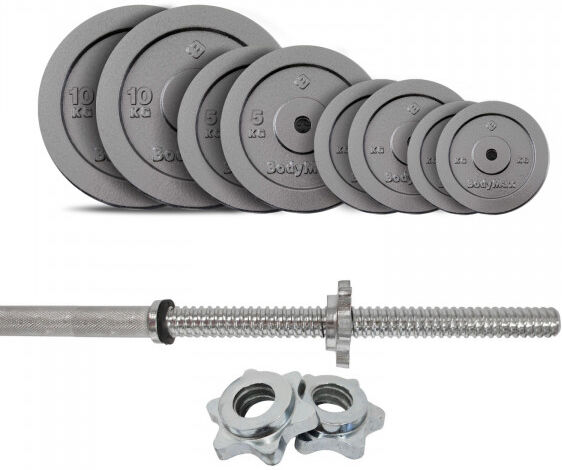
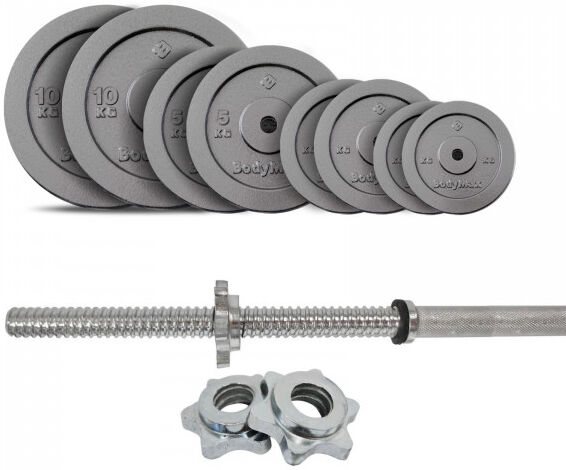
BodyMax Standard 6ft. 1Upgrade your home gym with the BodyMax 6 and 7ft Standard Spinlock Barbell paired with BodyMax Cast Iron Weight Plates. This bundle provides a reliable and durable solution for all your weightlifting needs, suitable for both beginners and seasoned lifters. TRAINING VERSATILITY The BodyMax...120,49 £*Shipping: 0,00 £Secure redirect to the provider
-
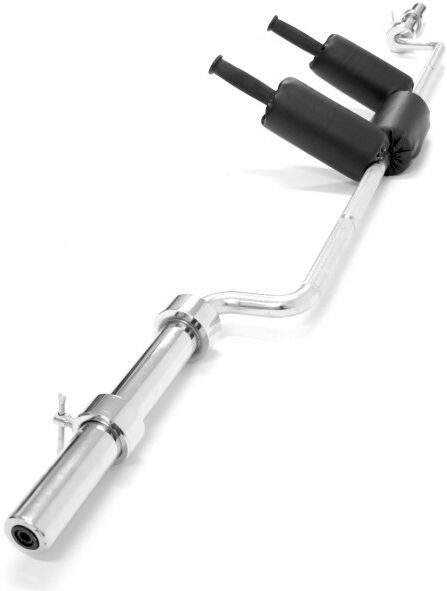
BodyMax 22kg Olympic Safety Squat BarThe BodyMax Olympic Safety Squat Bar provides a valuable alternative to regular Olympic barbells. The safety squat bar is ideal for targeting and strengthening the lower body. With the altered weight placement (lower and further forward) the safety squat bar provides a very different training...109,00 £*Shipping: 0,00 £Secure redirect to the provider
-
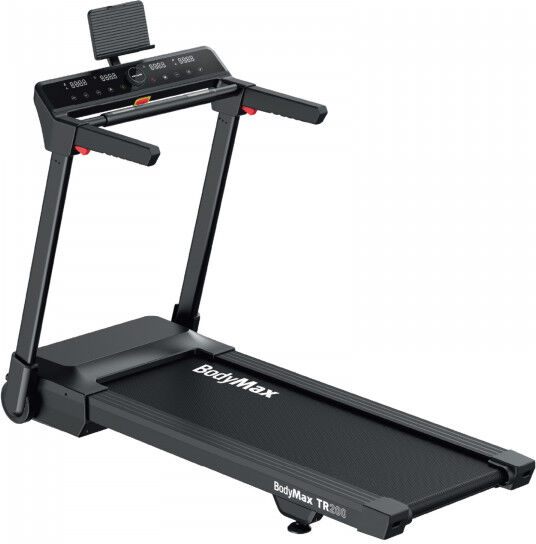
BodyMax TR200 Treadmill Bodymax TR200 + Kinomaps 12 MonthsThe BodyMax TR200 Treadmill is a tidy home option with a fold flat frame that also stores upright, which helps if space is tight. Setup is quick. Unfold it, attach two covers, and you are good to go. The dial keeps things easy to manage, and the tablet holder sits ready for apps, workouts or your...629,09 £*Shipping: 0,00 £Secure redirect to the provider
-
BodyMax TM70 Treadmill Bodymax TM70 + Kinomap 12 MonthsThe BodyMax TM70 Treadmill brings power and convenience to your home workouts. With a robust motor, you can easily switch between speeds of 0.8 km/h for warm-ups and 18 km/h for those intense sessions. The roomy 46x140 cm running area features cushioning that protects your joints. With a...854,04 £*Shipping: 0,00 £Secure redirect to the provider

-
How much energy is needed to heat 1 kg of sand by 1 degree Celsius?
The specific heat capacity of sand is approximately 0.84 J/g°C. To calculate the energy needed to heat 1 kg of sand by 1 degree Celsius, we can use the formula: Energy = mass x specific heat capacity x temperature change. Plugging in the values, we get: Energy = 1000g x 0.84 J/g°C x 1°C = 840 J. Therefore, it would take 840 joules of energy to heat 1 kg of sand by 1 degree Celsius. **
-
What is worse: 1 hour of swimming at 10 degrees or 1 hour of swimming at 30 degrees?
Swimming for 1 hour at 10 degrees is worse than swimming at 30 degrees. In colder temperatures, the body loses heat more quickly, which can lead to hypothermia and other cold-related injuries. Swimming in 10-degree water for an hour can be extremely dangerous and potentially life-threatening. On the other hand, swimming in 30-degree water for an hour may be uncomfortable, but it is less likely to result in severe health risks. **
-
How many water molecules are there in 1 liter or 1 kilogram of water?
There are approximately 55.5 moles of water in 1 liter or 1 kilogram of water. Since one mole of water contains 6.022 x 10^23 molecules, there are about 3.34 x 10^25 water molecules in 1 liter or 1 kilogram of water. **
-
Why is 1 * 1 another way of writing 1 * 1 * 1?
1 * 1 is another way of writing 1 * 1 * 1 because when you multiply a number by 1, the value of the number remains unchanged. In other words, multiplying by 1 does not alter the original number. Therefore, when you multiply 1 by 1, the result is still 1, and when you multiply that result by 1 again, it remains 1. This is why 1 * 1 is equivalent to 1 * 1 * 1. **
What is 1 bar water pressure?
1 bar water pressure is equivalent to the pressure exerted by a column of water that is 10 meters (33 feet) in height. **
How do you pave on a 1 meter high sand?
To pave on a 1 meter high sand, you would first need to compact the sand to create a stable base for the paving. This can be done using a plate compactor or by wetting and tamping down the sand. Once the sand is compacted, you can then lay a layer of gravel or crushed stone to further stabilize the base. Finally, you can lay the paving stones or bricks on top of the prepared base, making sure they are level and properly spaced. It's important to ensure proper compaction and base preparation to prevent settling and shifting of the paving over time. **
Top-Angebote
Products related to BodyMax-1:
-
BodyMax Standard 6ft. 1Upgrade your home gym with the BodyMax 6 and 7ft Standard Spinlock Barbell paired with BodyMax Cast Iron Weight Plates. This bundle provides a reliable and durable solution for all your weightlifting needs, suitable for both beginners and seasoned lifters. TRAINING VERSATILITY The BodyMax...120,49 £*Shipping: 0,00 £Secure redirect to the provider
-
BodyMax 22kg Olympic Safety Squat BarThe BodyMax Olympic Safety Squat Bar provides a valuable alternative to regular Olympic barbells. The safety squat bar is ideal for targeting and strengthening the lower body. With the altered weight placement (lower and further forward) the safety squat bar provides a very different training...109,00 £*Shipping: 0,00 £Secure redirect to the provider
-
How much water can 1 kg of sand absorb?
The amount of water that 1 kg of sand can absorb depends on the type and size of the sand particles. Generally, 1 kg of sand can absorb around 0.3-0.5 liters of water. However, this can vary based on factors such as the porosity and density of the sand. It's important to note that different types of sand may have different absorption capacities. **
-
Should one mix the potting soil with sand in a 1:1 ratio for lavender?
Mixing potting soil with sand in a 1:1 ratio for lavender is not recommended. Lavender prefers well-draining soil, and while sand can improve drainage, a 1:1 ratio may lead to soil that is too sandy and does not hold enough moisture. It is better to mix potting soil with sand in a 1:2 or 1:3 ratio to ensure proper drainage while still retaining enough moisture for the lavender to thrive. Additionally, adding organic matter such as compost or peat moss can also help improve the soil structure for lavender. **
-
How much energy is needed to heat 1 kg of sand by 1 degree Celsius?
The specific heat capacity of sand is approximately 0.84 J/g°C. To calculate the energy needed to heat 1 kg of sand by 1 degree Celsius, we can use the formula: Energy = mass x specific heat capacity x temperature change. Plugging in the values, we get: Energy = 1000g x 0.84 J/g°C x 1°C = 840 J. Therefore, it would take 840 joules of energy to heat 1 kg of sand by 1 degree Celsius. **
-
What is worse: 1 hour of swimming at 10 degrees or 1 hour of swimming at 30 degrees?
Swimming for 1 hour at 10 degrees is worse than swimming at 30 degrees. In colder temperatures, the body loses heat more quickly, which can lead to hypothermia and other cold-related injuries. Swimming in 10-degree water for an hour can be extremely dangerous and potentially life-threatening. On the other hand, swimming in 30-degree water for an hour may be uncomfortable, but it is less likely to result in severe health risks. **
Similar search terms for BodyMax-1
-
BodyMax TR200 Treadmill Bodymax TR200 + Kinomaps 12 MonthsThe BodyMax TR200 Treadmill is a tidy home option with a fold flat frame that also stores upright, which helps if space is tight. Setup is quick. Unfold it, attach two covers, and you are good to go. The dial keeps things easy to manage, and the tablet holder sits ready for apps, workouts or your...629,09 £*Shipping: 0,00 £Secure redirect to the provider
-
BodyMax TM70 Treadmill Bodymax TM70 + Kinomap 12 MonthsThe BodyMax TM70 Treadmill brings power and convenience to your home workouts. With a robust motor, you can easily switch between speeds of 0.8 km/h for warm-ups and 18 km/h for those intense sessions. The roomy 46x140 cm running area features cushioning that protects your joints. With a...854,04 £*Shipping: 0,00 £Secure redirect to the provider
-
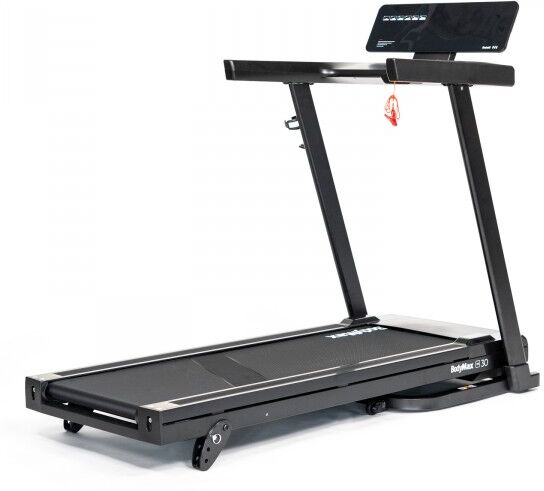
BodyMax TM30 Treadmill Bodymax TM30 + Kinomap 12 monthsThe BodyMax TM30 Treadmill is the perfect home treadmill for your gym space. It comes with 36 built-in programs to vary your training and can run to a respectable 16km/h, making it a great choice for users of all abilities. The product also comes with a number of features to enhance your...474,04 £*Shipping: 0,00 £Secure redirect to the provider
-
BodyMax Standard 7ft. 1Upgrade your home gym with the BodyMax 6 and 7ft Standard Spinlock Barbell paired with BodyMax Cast Iron Weight Plates. This bundle provides a reliable and durable solution for all your weightlifting needs, suitable for both beginners and seasoned lifters. TRAINING VERSATILITY The BodyMax...124,99 £*Shipping: 0,00 £Secure redirect to the provider
-
How many water molecules are there in 1 liter or 1 kilogram of water?
There are approximately 55.5 moles of water in 1 liter or 1 kilogram of water. Since one mole of water contains 6.022 x 10^23 molecules, there are about 3.34 x 10^25 water molecules in 1 liter or 1 kilogram of water. **
-
Why is 1 * 1 another way of writing 1 * 1 * 1?
1 * 1 is another way of writing 1 * 1 * 1 because when you multiply a number by 1, the value of the number remains unchanged. In other words, multiplying by 1 does not alter the original number. Therefore, when you multiply 1 by 1, the result is still 1, and when you multiply that result by 1 again, it remains 1. This is why 1 * 1 is equivalent to 1 * 1 * 1. **
-
What is 1 bar water pressure?
1 bar water pressure is equivalent to the pressure exerted by a column of water that is 10 meters (33 feet) in height. **
-
How do you pave on a 1 meter high sand?
To pave on a 1 meter high sand, you would first need to compact the sand to create a stable base for the paving. This can be done using a plate compactor or by wetting and tamping down the sand. Once the sand is compacted, you can then lay a layer of gravel or crushed stone to further stabilize the base. Finally, you can lay the paving stones or bricks on top of the prepared base, making sure they are level and properly spaced. It's important to ensure proper compaction and base preparation to prevent settling and shifting of the paving over time. **
* All prices are inclusive of VAT and, if applicable, plus shipping costs. The offer information is based on the details provided by the respective shop and is updated through automated processes. Real-time updates do not occur, so deviations can occur in individual cases. ** Note: Parts of this content were created by AI.