Buy bathingwaters.eu ?
We are moving the project
bathingwaters.eu .
Are you interested in purchasing the domain
bathingwaters.eu ?
domain@kv-gmbh.de · 0541-91531010
Buy bathingwaters.eu ?
Is slightly damp sand in a vase harmful?
Slightly damp sand in a vase is not necessarily harmful, but it can create an environment that is conducive to mold and bacteria growth if not properly maintained. If the sand remains damp for an extended period of time, it can lead to unpleasant odors and potential health hazards. It's important to regularly check and replace the sand if it becomes too damp to prevent any potential issues. **
What is a sports swimming cast?
A sports swimming cast is a waterproof cast designed specifically for swimmers and athletes who need to protect a broken or injured limb while still being able to participate in water-based activities. These casts are made of waterproof materials that allow the wearer to swim and engage in water sports without worrying about damaging the cast or causing discomfort. They are often used by individuals who have sustained injuries such as broken arms or legs and need to maintain their fitness and training routines while recovering. **

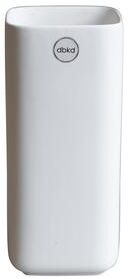
Similar search terms for DBKD-POST-Vase-Cast
Top-Angebote
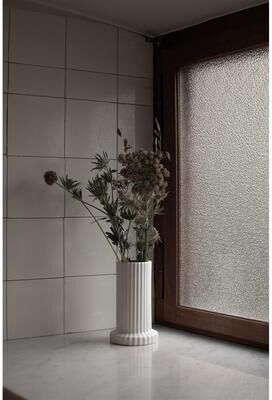
Products related to DBKD-POST-Vase-Cast:


-
'Vase or glass?'
It depends on the context and purpose. A vase is typically used for holding flowers or decorative branches, while a glass is used for drinking liquids. If the question is about which one to use for a specific purpose, then the answer would depend on whether the intention is to display flowers or to serve a beverage. Both have their own unique functions and can be chosen based on the specific need at hand. **
-
Why does water cast shadows?
Water can cast shadows because it is a semi-transparent substance that can absorb and reflect light. When light hits the surface of the water, some of it is absorbed while the rest is reflected. The absorbed light creates shadows in the areas where the light cannot pass through the water, resulting in the formation of shadows on the bottom or sides of the body of water. The depth and clarity of the water, as well as the angle of the light source, can affect the visibility and intensity of the shadows cast by water. **
-
Who knows this vase?
The person who knows this vase is likely the owner or someone who has a personal connection to it. It could also be someone who has studied or researched the vase, such as an art historian or a museum curator. Additionally, the artist or creator of the vase would also have knowledge of it. **
-
Is the vase broken?
Yes, the vase is broken. It is in pieces and cannot be used in its original form. **
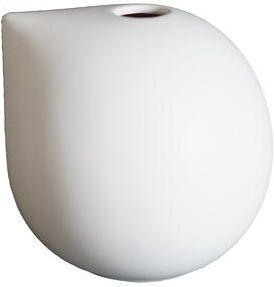

Who made this vase?
This vase was made by an ancient Greek potter and artist. It is an example of Greek pottery from the 5th century BC, known for its intricate designs and skilled craftsmanship. The artist's name is not known, as pottery from this time period was typically not signed or attributed to specific individuals. However, it is likely that the vase was made in a workshop where multiple artists and potters collaborated on creating such pieces. **
What is the vase worth?
The vase is worth $500. **
Top-Angebote
Products related to DBKD-POST-Vase-Cast:
-
Is slightly damp sand in a vase harmful?
Slightly damp sand in a vase is not necessarily harmful, but it can create an environment that is conducive to mold and bacteria growth if not properly maintained. If the sand remains damp for an extended period of time, it can lead to unpleasant odors and potential health hazards. It's important to regularly check and replace the sand if it becomes too damp to prevent any potential issues. **
-
What is a sports swimming cast?
A sports swimming cast is a waterproof cast designed specifically for swimmers and athletes who need to protect a broken or injured limb while still being able to participate in water-based activities. These casts are made of waterproof materials that allow the wearer to swim and engage in water sports without worrying about damaging the cast or causing discomfort. They are often used by individuals who have sustained injuries such as broken arms or legs and need to maintain their fitness and training routines while recovering. **
-
'Vase or glass?'
It depends on the context and purpose. A vase is typically used for holding flowers or decorative branches, while a glass is used for drinking liquids. If the question is about which one to use for a specific purpose, then the answer would depend on whether the intention is to display flowers or to serve a beverage. Both have their own unique functions and can be chosen based on the specific need at hand. **
-
Why does water cast shadows?
Water can cast shadows because it is a semi-transparent substance that can absorb and reflect light. When light hits the surface of the water, some of it is absorbed while the rest is reflected. The absorbed light creates shadows in the areas where the light cannot pass through the water, resulting in the formation of shadows on the bottom or sides of the body of water. The depth and clarity of the water, as well as the angle of the light source, can affect the visibility and intensity of the shadows cast by water. **
Similar search terms for DBKD-POST-Vase-Cast
-
Who knows this vase?
The person who knows this vase is likely the owner or someone who has a personal connection to it. It could also be someone who has studied or researched the vase, such as an art historian or a museum curator. Additionally, the artist or creator of the vase would also have knowledge of it. **
-
Is the vase broken?
Yes, the vase is broken. It is in pieces and cannot be used in its original form. **
-
Who made this vase?
This vase was made by an ancient Greek potter and artist. It is an example of Greek pottery from the 5th century BC, known for its intricate designs and skilled craftsmanship. The artist's name is not known, as pottery from this time period was typically not signed or attributed to specific individuals. However, it is likely that the vase was made in a workshop where multiple artists and potters collaborated on creating such pieces. **
-
What is the vase worth?
The vase is worth $500. **
* All prices are inclusive of VAT and, if applicable, plus shipping costs. The offer information is based on the details provided by the respective shop and is updated through automated processes. Real-time updates do not occur, so deviations can occur in individual cases. ** Note: Parts of this content were created by AI.